
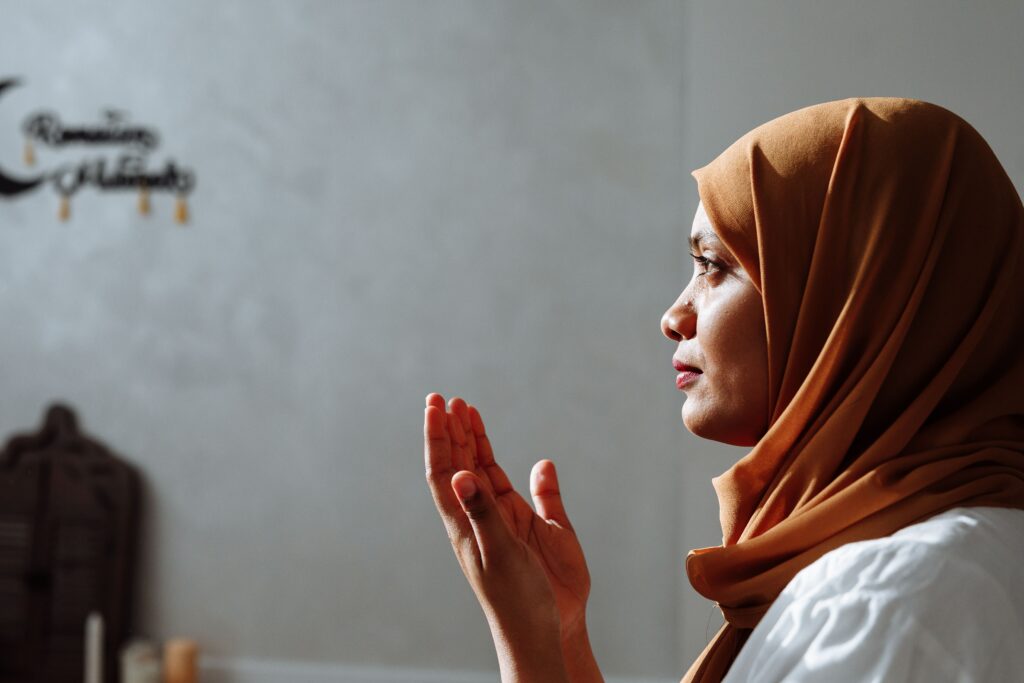
There is a moment every believer eventually reaches. You’re sitting with a pain that won’t move. A loss that won’t resolve. A situation completely outside your hands. And quietly, one sentence keeps surfacing: just let it go.
That sounds simple. But it rarely feels simple.
Trusting Allah’s plan is not about giving up. It’s about giving your heart somewhere safe to place what you cannot control. As one reflection puts it:
“It is only by letting go that the heart can find peace. When we let go of what we cannot control, we are not giving up — it is us giving our trust, acceptance, and peace fully in Allah SWT’s plan.”
So what does that actually mean, in practice? Let’s break it down.
Table of Contents
Why Letting Go Feels Like Losing Control
Most of us were taught that control equals safety. If we plan hard enough, we assume, we’ll be protected from pain. So when someone tells us to “let go,” it can feel like being told to give up protection altogether.
But here’s the truth: control was never really ours. What we call “holding on” is often just resistance to something Allah SWT has already decreed. And resistance doesn’t stop what’s coming. It only tires out the heart doing the resisting.
This is why trusting Allah’s plan matters so much. It isn’t passivity. It isn’t resignation. It’s a deliberate choice about where your trust lives.
Tawakkul: Giving Up vs. Giving Trust
Tawakkul means reliance on Allah. However, it’s often misunderstood as doing nothing. That’s not accurate.
The Prophet ﷺ said: “Tie your camel, then put your trust in Allah.” In other words, you still act. You still plan. You still try. But once the effort is made, you surrender the outcome — not abandon it, surrender it — to the One who was always going to decide it anyway.
That’s the real difference:
- Giving up says: nothing matters, so why try.
- Giving trust says: I’ve done what’s mine to do, and the rest belongs to Allah.
One is despair. The other is peace.
What the Prophets Teach Us About Surrender
The Qur’an doesn’t hide the sorrow of its Prophets. Instead, it records it honestly, and shows us what they did with it.
Prophet Yaqub (AS) grieved the loss of his son Yusuf for years. In fact, he wept until his eyes turned white with grief. Yet even then, he said: “I only complain of my suffering and my grief to Allah” (Qur’an 12:86). His grief was real. His trust never left him.
Similarly, Prophet Muhammad ﷺ endured what history calls Aam al-Huzn — the Year of Sorrow — after losing his wife Khadijah (RA) and his uncle Abu Talib in the same year. He didn’t perform a strength he didn’t feel. He grieved fully. And he kept going fully, too, because his trust was never placed in this world lasting forever.
Neither of them was told their pain was wrong. They were simply shown where to place it.
A Du’a for When Your Heart Won’t Let Go
Sometimes willpower alone isn’t enough. Words help carry what the heart can’t carry by itself.
اللّهُـمَّ إِنِّي أَعْوذُ بِكَ مِنَ الهَـمِّ وَالْحُـزْنِ Allahumma inni a’udhu bika minal hammi wal huzn “O Allah, I seek refuge in You from anxiety and grief.”
This du’a won’t make pain disappear instantly. But it does something else: it places your pain in front of Allah, honestly, instead of carrying it alone. That act of turning is where letting go actually begins.
Finding Freedom in Qadar
Here’s the most counterintuitive part of trusting Allah’s plan: it leads to freedom, not restriction.
We usually think freedom means more control. More choices. More say over outcomes. But there’s another kind of freedom — one that only shows up once you stop fighting what’s already decreed.
Accepting qadar doesn’t mean you stop caring. It doesn’t mean you stop grieving, or stop wanting things to be different. It simply means you stop waiting for control to bring you peace. Because it won’t. Peace comes the moment you place your burden where it was always meant to go.
“It is in embracing the fate decreed by Allah SWT that our freedom begins.”
If This Resonated With You
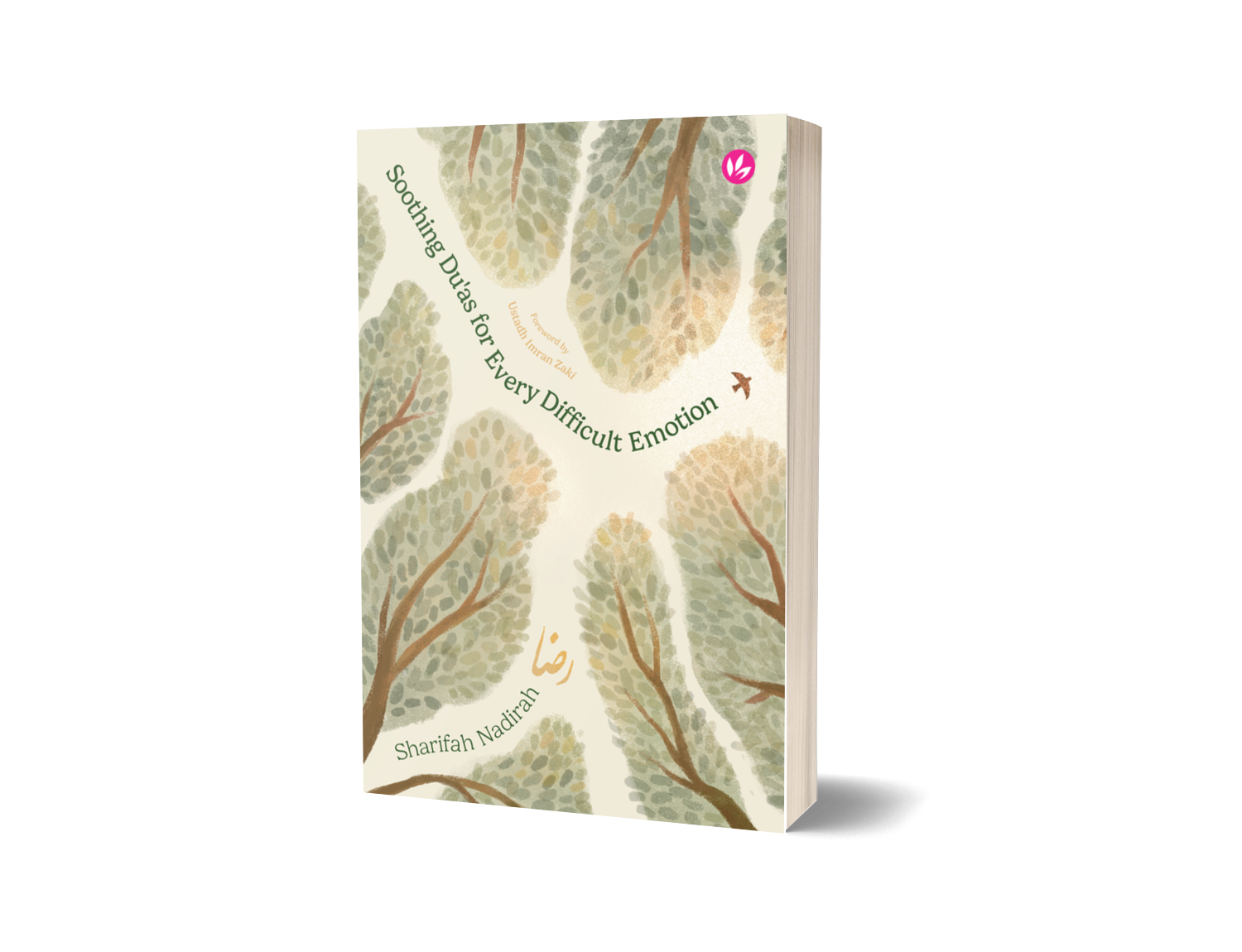
Trusting Allah’s plan is not a one-time decision. It’s a practice — one that gets easier with the right words to lean on. This theme, and others like it, are explored throughout Soothing Du’as for Every Difficult Emotion, a collection written for the moments words are hard to find on your own.
Grab the book, Soothing Du’as for Every Difficult Emotion by Sharifah Nadirah at imanshoppe.com


Penulis Tamu Nor Husna | Social media
Copywriter IMAN